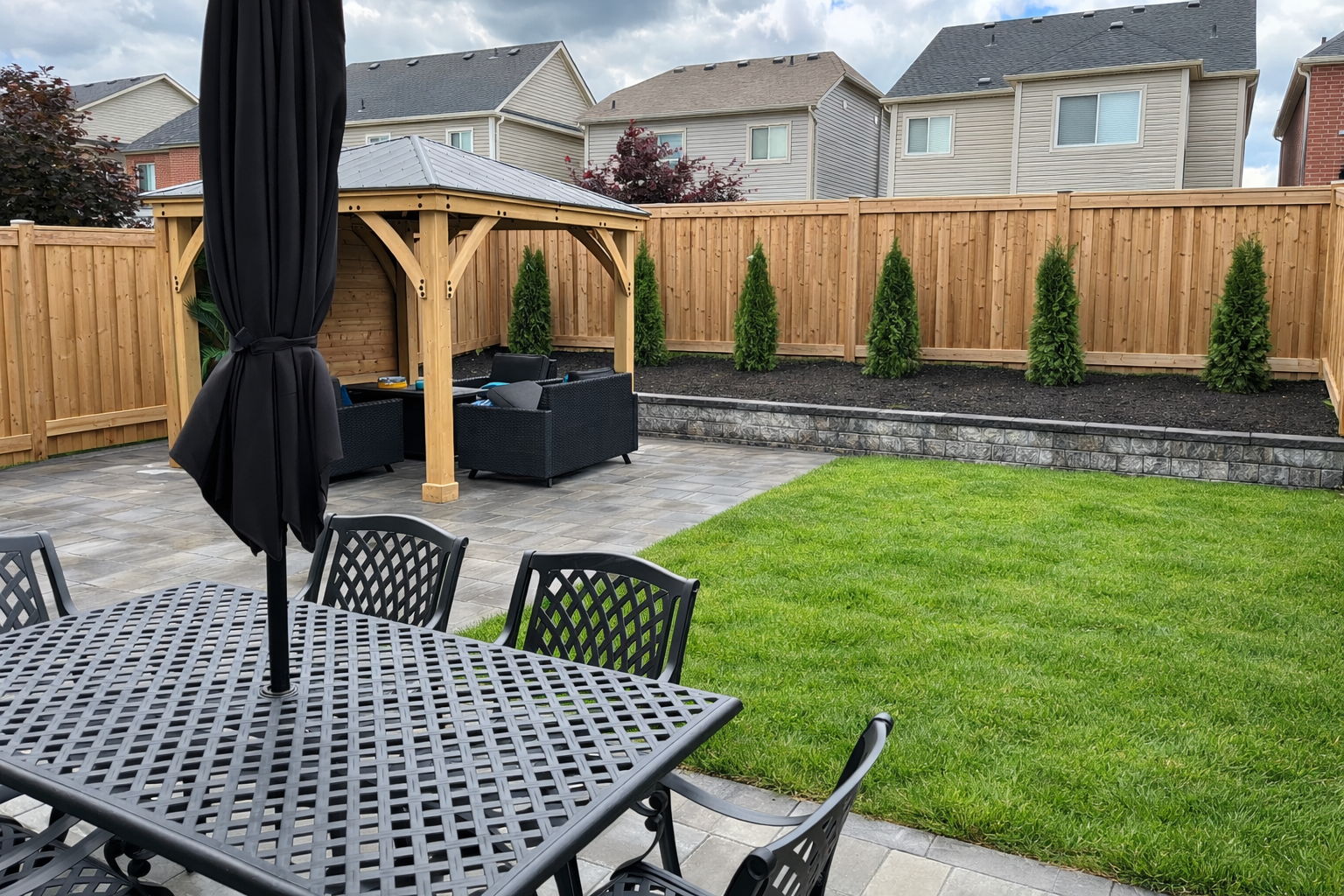
Outdoor lighting has become one of the most impactful upgrades in modern outdoor living. Today’s homeowners are using professionally designed lighting systems to extend usability, improve safety, and create a warm, comfortable atmosphere after sunset.
Good outdoor lighting is not about brightness—it is about control and balance.
The Shift Toward Layered Outdoor Lighting
Modern landscape lighting design uses multiple layers, similar to interior lighting.
These layers include:
- Path lighting for safe movement
- Step lighting for visibility and fall prevention
- Accent lighting to highlight focal features
- Soft wash lighting to define structures and outdoor rooms
Layered lighting prevents glare while adding depth and warmth to the space.
Why Low-Voltage Lighting Is the Industry Standard
Low-voltage landscape lighting systems are preferred because they:
- Consume less energy
- Are safer for families and pets
- Allow zoning and dimming control
- Can be expanded over time
Low-voltage systems also allow lighting to blend naturally into the landscape rather than overpower it.
Comfort and Privacy After Dark
Thoughtful lighting design can:
- Reduce harsh shadows
- Improve perceived privacy
- Eliminate dark, unsafe areas
- Create a calm, resort-like atmosphere
Proper fixture placement matters more than raw brightness.
Common Outdoor Lighting Mistakes
Many lighting issues occur when systems are added after construction is complete. Common mistakes include:
- Over-lighting seating areas
- Using mismatched fixtures
- Ignoring glare from eye level
- Treating lighting as an afterthought
Planning lighting early leads to better results and lower long-term costs.
Outdoor Lighting Done Right
The best outdoor lighting systems are almost invisible during the day and transformative at night. When designed properly, lighting becomes part of the architecture of the outdoor space—not just an accessory.